About the Temple
This portal showcases the inscriptions, architecture, and cultural significance of ancient temples across the region. Explore historical details, inscription records, deity information, and curated image galleries. This is the protected paragraph. It contains a lot of words and detailed historical explanation about the temple, dynasty, year, and inscriptions. This paragraph should be partially visible initially. Only when the user logs in, the entire paragraph must be displayed completely without truncation. The content continues with more descriptions, references, and historical significance which is restricted.
Read MoreTemple Gallery
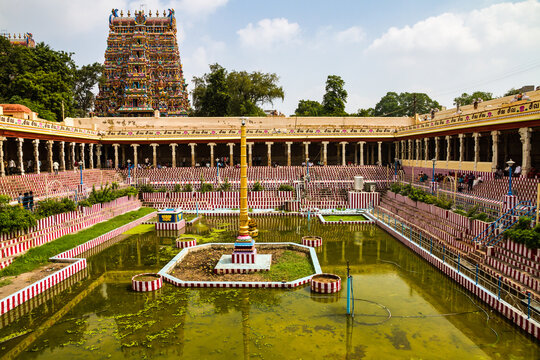
Meenakshi Amman Temple, Madurai
A jewel of Tamil Nadu’s sacred architecture, the Meenakshi Amman Temple is dedicated to Goddess Meenakshi and Lord Sundareswarar. Its towering gopurams are adorned with thousands of colorful sculptures depicting gods, goddesses, and mythological beings. The temple tank and colonnaded corridors reflect centuries of devotion and artistry, making it one of the most celebrated pilgrimage sites in South India.
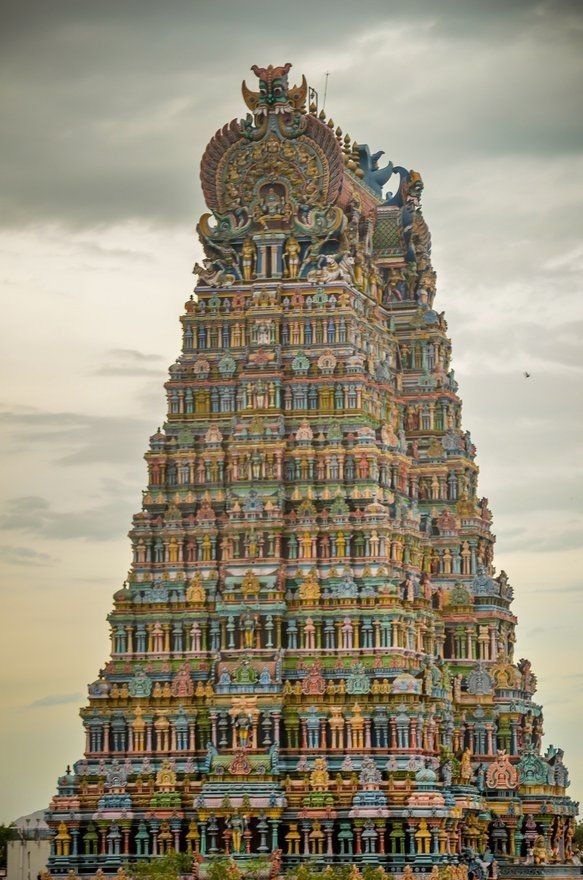
Typical Tamil Nadu Gopuram
This ornate gopuram exemplifies the Dravidian style, rising tier by tier with vibrant sculptures of deities, mythical creatures, and celestial guardians. Painted in vivid hues of blue, green, pink, and gold, it serves as both a spiritual gateway and a visual chronicle of Tamil Nadu’s rich temple traditions.
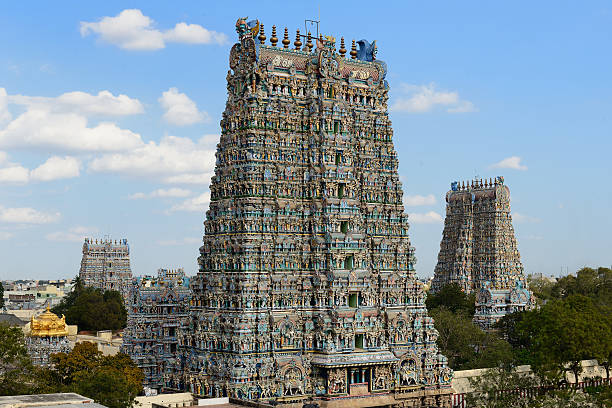
Meenakshi Temple Tall Gopuram
The grand gopuram of the Meenakshi Temple in Madurai is among the tallest and most intricately decorated in India. Covered with thousands of sculpted figures, it narrates stories from Hindu epics and local legends. This monumental gateway embodies the devotion, craftsmanship, and cultural heritage of Tamil Nadu’s temple builders.
Inscription
Rai Bahadur V. Venkayya was the first Indian epigraphist, historian and Chief Epigraphist to the Government of India. In 1906 he discovered a string of 31 copper plates weighing over 200 pounds, issued by King Rajendra Chola I, from the Vataranyesvara Temple in Thiruvalangadu village near Madras. These furnished the genealogy of the medieval Cholas starting from King Vijayalaya (middle 9th century ce), who wrested Thanjavur from the Mutharaiyars.
Interesting nuggets of information from Chola temple inscriptions pepper the account on their judicious administration. They built not only magnificent temples but also irrigation tanks for their agrarian economy to prosper. How well they were all managed is known from the inscriptions.
Inscription Gallery