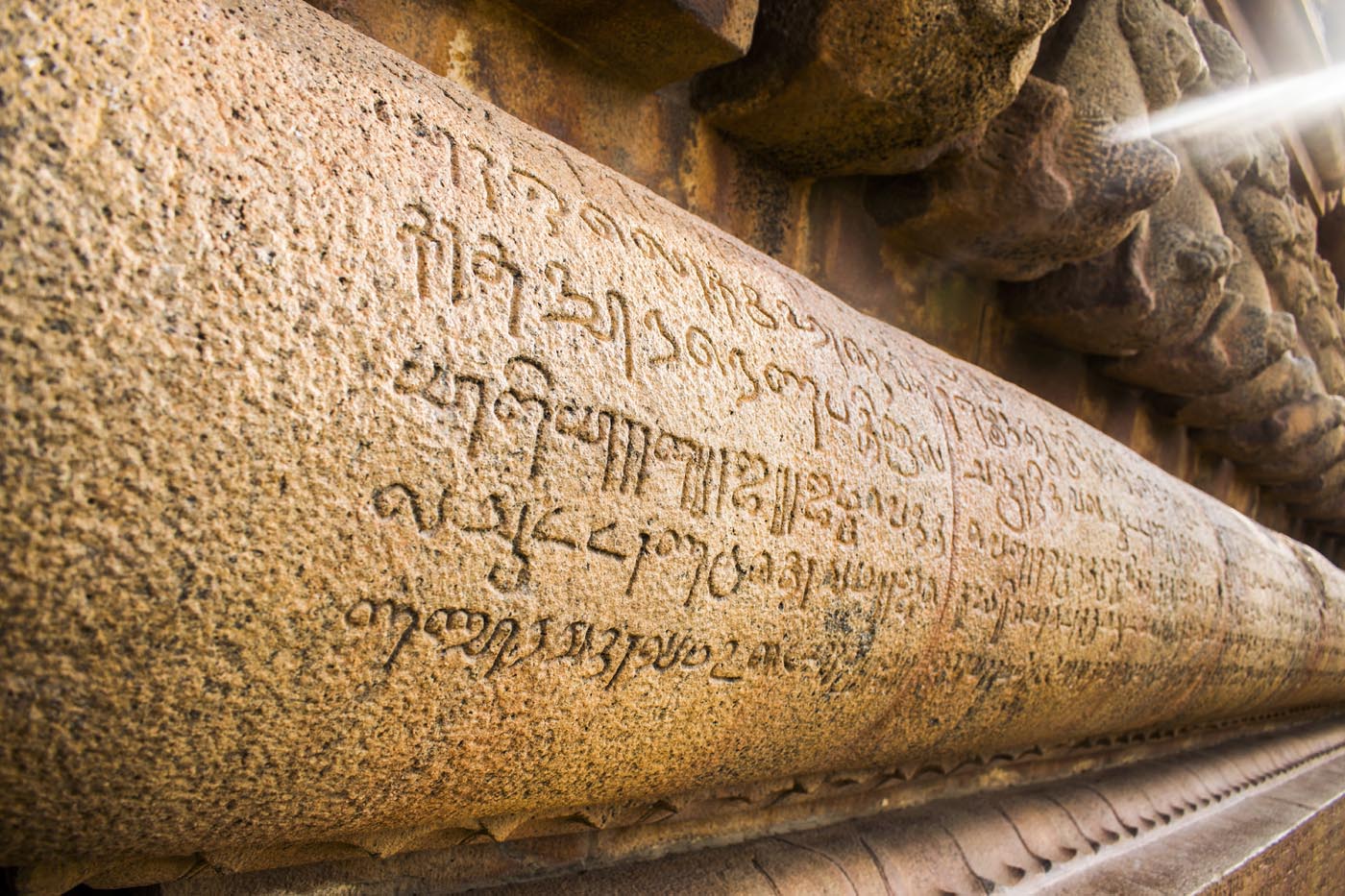
Discovering the Past
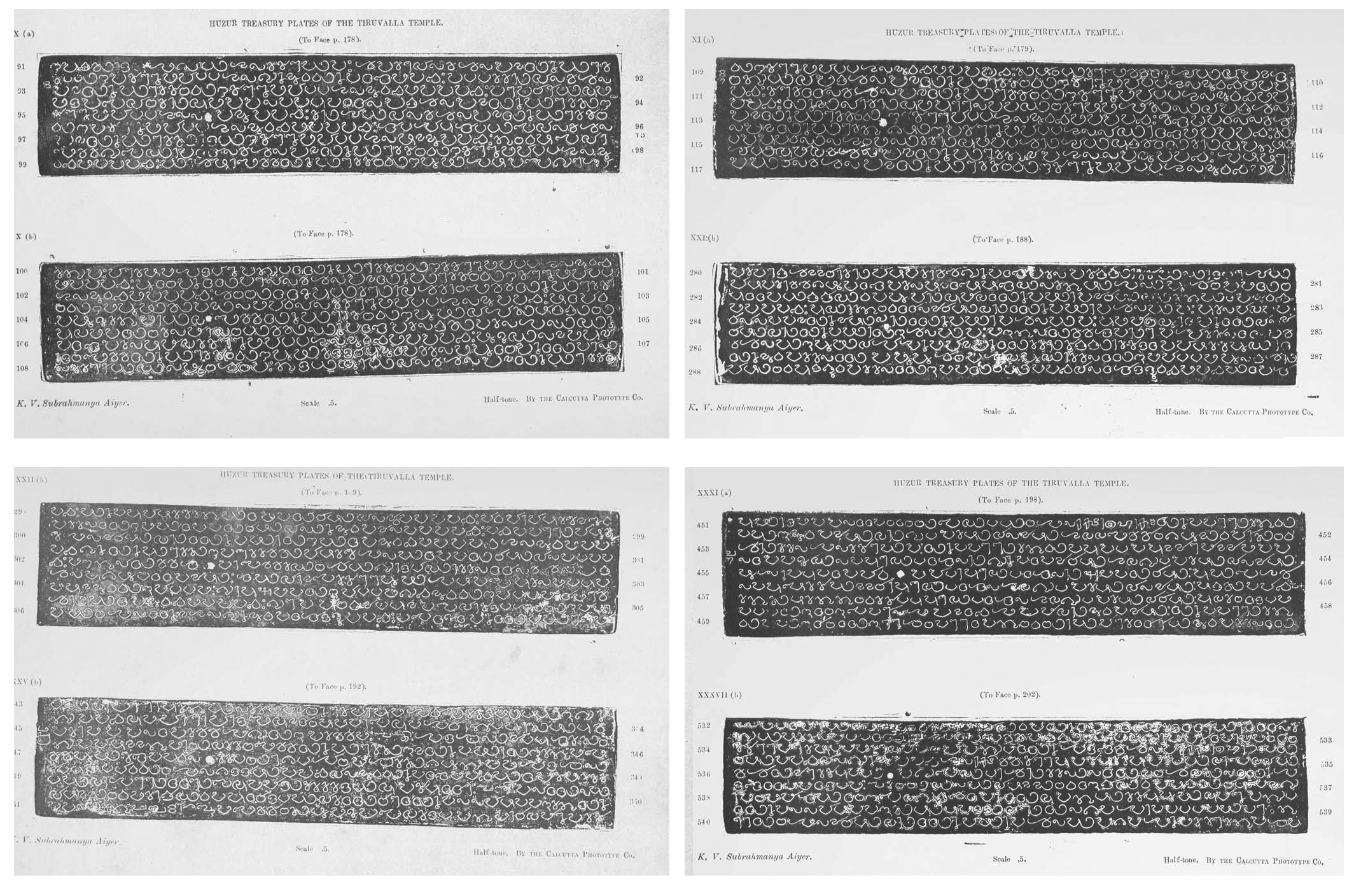
Rai Bahadur V. Venkayya was the first Indian epigraphist, historian and Chief Epigraphist to the Government of India. In 1906 he discovered a string of 31 copper plates weighing over 200 pounds, issued by King Rajendra Chola I, from the Vataranyesvara Temple in Thiruvalangadu village near Madras. These furnished the genealogy of the medieval Cholas starting from King Vijayalaya (middle 9th century ce), who wrested Thanjavur from the Mutharaiyars.
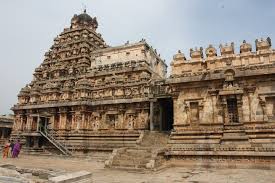
Interesting nuggets of information from Chola temple inscriptions pepper the account on their judicious administration. They built not only magnificent temples but also irrigation tanks for their agrarian economy to prosper. How well they were all managed is known from the inscriptions.
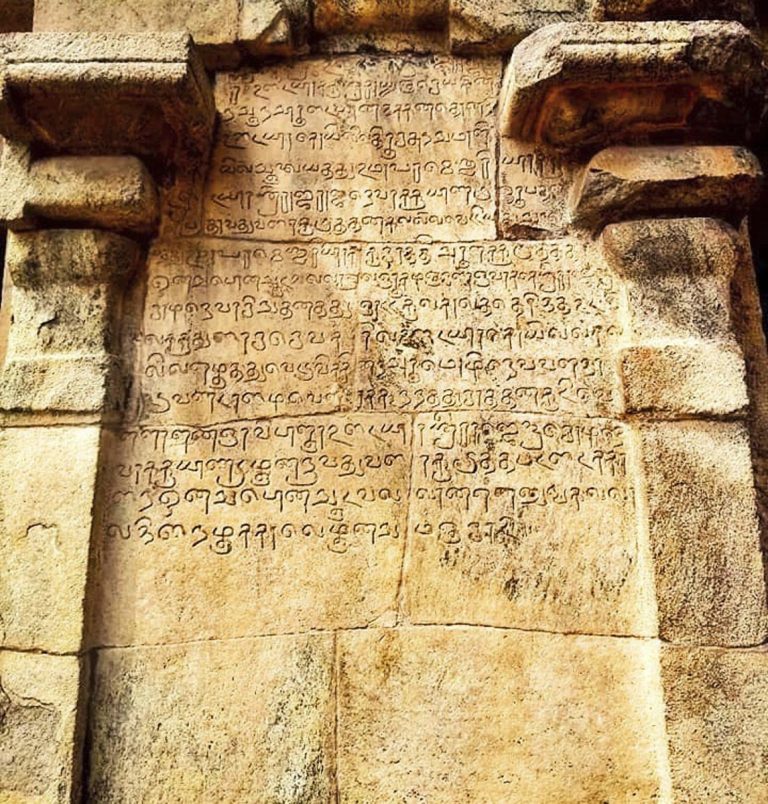
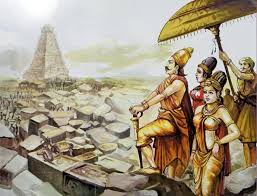
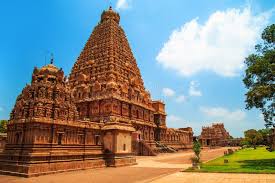
Structured granite temples were the forte of the Cholas, who came later. The crest jewel among them is the stone structure at Thanjavur—Brihadishvara Temple, built by Rajaraja Chola I. The historical fiction of Kalki Krishnamurthi’s magnum opus, Ponniyin Selvan, pivoted on the bewildering court intrigues of Rajaraja Chola I, prior to his enthronement.
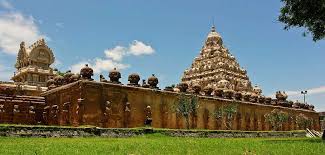
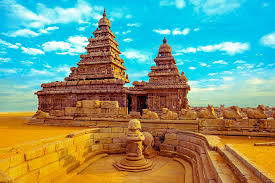
The era’s true history is authenticated by epigraphical evidences. The Pallavas reigned supreme in South India between 600-900ce. Thereafter, the Chola hegemony prevailed. A temple built by one dynasty may be expanded or renovated by subsequent ruling monarchs, who leave their mark on it.